

How real-time monitoring supports camera teams on big features and high-end TV
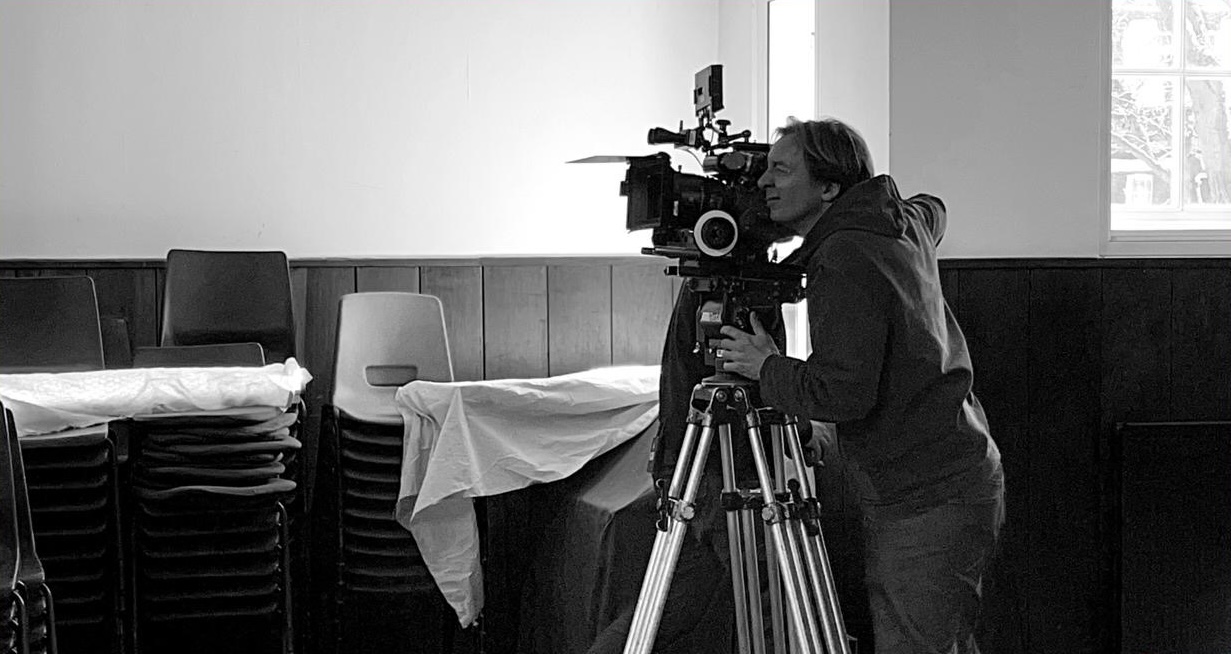
Remote monitoring has shifted from a nice-to-have to an essential for large-scale productions. For camera operator and cinematographer Derrick Peters, it’s become a core part of how he maintains consistent visuals, even when multiple units and remote creatives are involved.
Starting on 16mm at art college and film school, Derrick worked his way up through the camera department from trainee and focus puller to operator, determined to understand every job on set. Today, he’s a member of the Guild of British Camera Technicians, experienced across 35mm, 16mm, and digital, and has credits including The Lord of the Rings: The Rings of Power, Florescence, Rogue One, Paddington Bear and Trainspotting 2.
We spoke with Derrick about recces, multi-camera days, and remote collaboration, and how tools like RePro now sit at the heart of his workflow.
How do you approach a recce and keep that intention alive once the shoot starts?
On a smaller-budget job like Florescence, where I was the cinematographer, location is everything. When I’m lighting, I’m looking at how the natural light behaves in the space, where it comes from, how it moves through the day, and what practicals are already there. I like my lighting to feel motivated, so I start from what’s real and build around it, rather than imposing something that doesn’t belong.
The hard part is holding onto that as things inevitably change on the day, no matter how meticulously you have planned. It’s easy to drift from the original vision; the trick is remembering why you made those choices and improvising in a way that still honours them.
On a big show with multiple units, how does real-time monitoring shape your day?
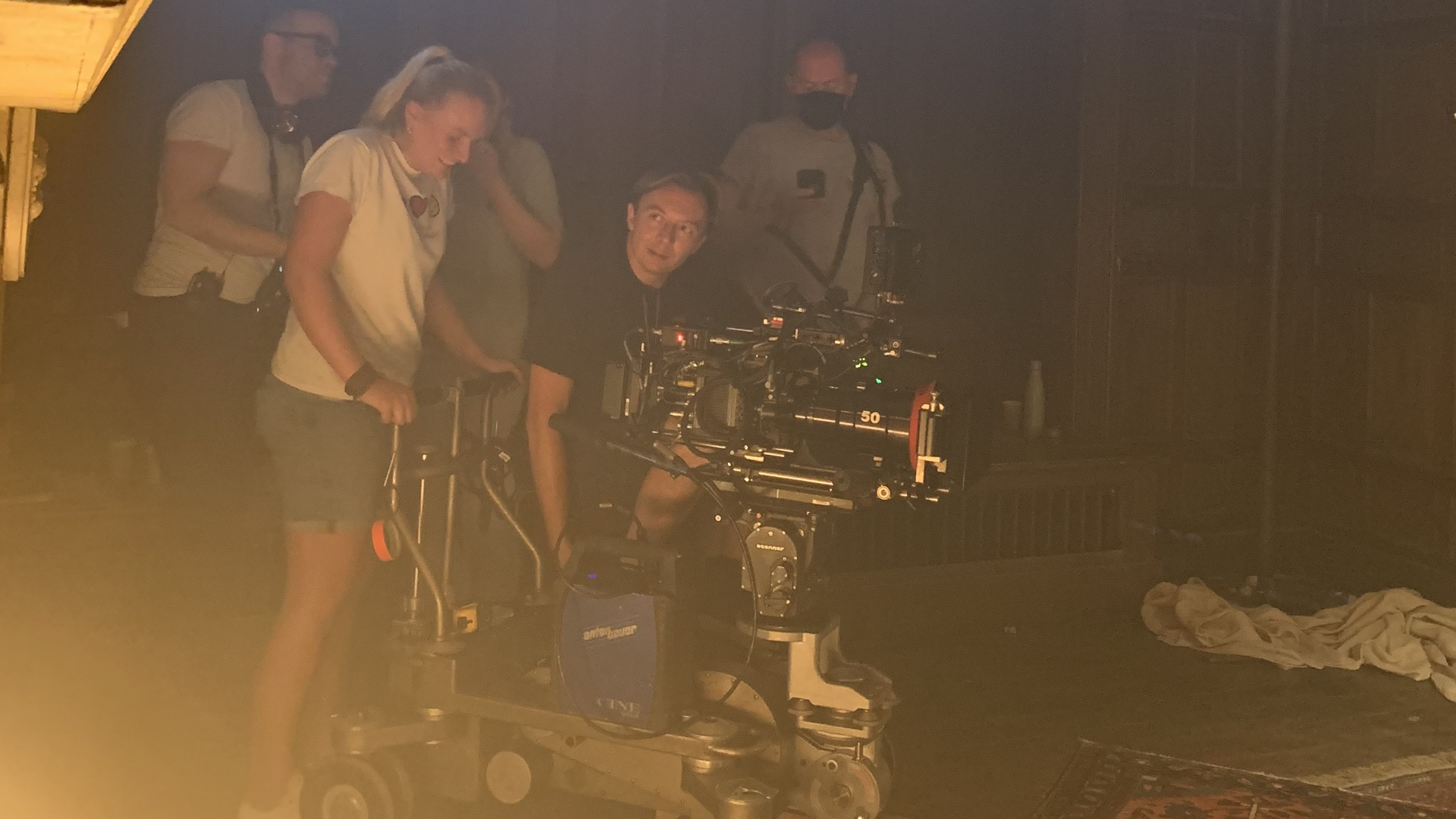
We usually begin with everyone at the monitors, looking at what we’re about to shoot – the key shot, how it fits the cut, what we need to match. On The Rings of Power, where I was ‘A’ camera operator on the Eagle Unit, the video team were cutting as we went, dropping shots into the current edit. Seeing things in context tells you straight away if a move is doing its job, not just looking pretty.
With several units running, monitoring becomes vital. On Rings of Power, all three units had the others’ feeds up on big screens, so we could check what they were doing at any point and stay ahead of continuity or visual mismatches without leaving our own set. Platforms like RePro have made that kind of real-time visibility the norm.
You’ve worked across 35mm, 16mm, and digital. What do you need from monitoring and streaming to really trust the image?
You want the image to be as true as possible. I graded a project with Cinelab where I was remote, and the colourist was in the grading theatre. I was watching using RePro on an iPad and could still trust it because the stream quality was there. If you’re seeing an honest image, you can do your best work on set and in the grade.
High-fidelity monitoring matters for quality control. If the footage is clipping or compressing things, you’re not really judging what you’ve captured. When it’s accurate, you know what you’re signing off on.
You’ve used RePro on almost every job in the past two years. Where does it make the biggest difference, and can you share an example?
On-set review is where it really shines. Because the image is so good and frame-accurate, you can catch tiny nuances – timing, extras in the background, small continuity details – even if not everyone is physically on the stage.
On The Rings of Power, we had drone work away from the main unit. We gave the drone crew a box with RePro hardware and a Starlink, and they streamed back live. We could see exactly what they were getting and make adjustments without being there; that was a game-changer. Before that, there was a lot of back-and-forth on the phone, hoping everyone was looking at the same frame. Now everything lives in one place; you pull up the stream, scrub to the moment you’re talking about, and everyone sees it instantly.
We’ve also had big second-unit sequences on jobs I’ve operated on with the director remote. Because the stream was so high quality, we could make small performance tweaks and background refinements with confidence. If the image had been soft or delayed, those calls would have been much harder.
On shows like The Rings of Power, how do you think about security when using remote review tools?
The biggest reassurance is that the studios are comfortable with it. They wouldn’t allow a platform into the workflow unless they trusted it. If a studio is happy to put their footage and ideas through a tool like RePro, it shows they’ve done the security checks, which gives everyone else confidence.
What advice would you give younger operators and DoPs about protecting their intent from tests through to the grade?
Hold onto your original intention. Remember what inspired you in prep – the way the light fell in a room, a reference image, a move you were excited about – and don’t let the noise of the shoot drown that out.
Use tools like live streaming, remote review, and on-set grading to support that vision, not distract from it. If you can keep that thread running from camera tests through to the grade, the work will feel cohesive, no matter how many units or days are involved.
//
Whether you’re operating an A-camera on a multi-unit epic, reviewing plates from a drone team on another location, or grading from home, RePro delivers the high-fidelity, real-time video streaming trusted by crews like Derrick’s.
